Battery-recycling results
In 2025, more than a hundred importers participated in the collective collection and recycling system, the ARN Management Plan.

Recycling companies processed
In 2025, a total of 430,654 kg of lithium batteries and modules from electric and hybrid vehicles were collected via ARN and sent for recycling. This is almost twenty per cent more than the previous year, when the figure was 362,497 kg.
Although the batteries last longer than anticipated, ARN is preparing for the expected increase in the number of lithium batteries to be collected.
The majority of the collected complete batteries come from damaged vehicles and a small proportion from end-of-life vehicles. Last year, more modules were sent for recycling rather than complete battery packs. 228,202 kg (53%) consisted of modules and 202,452 kg (47%) of battery packs. In 2024, modules accounted for 64% of the total weight.
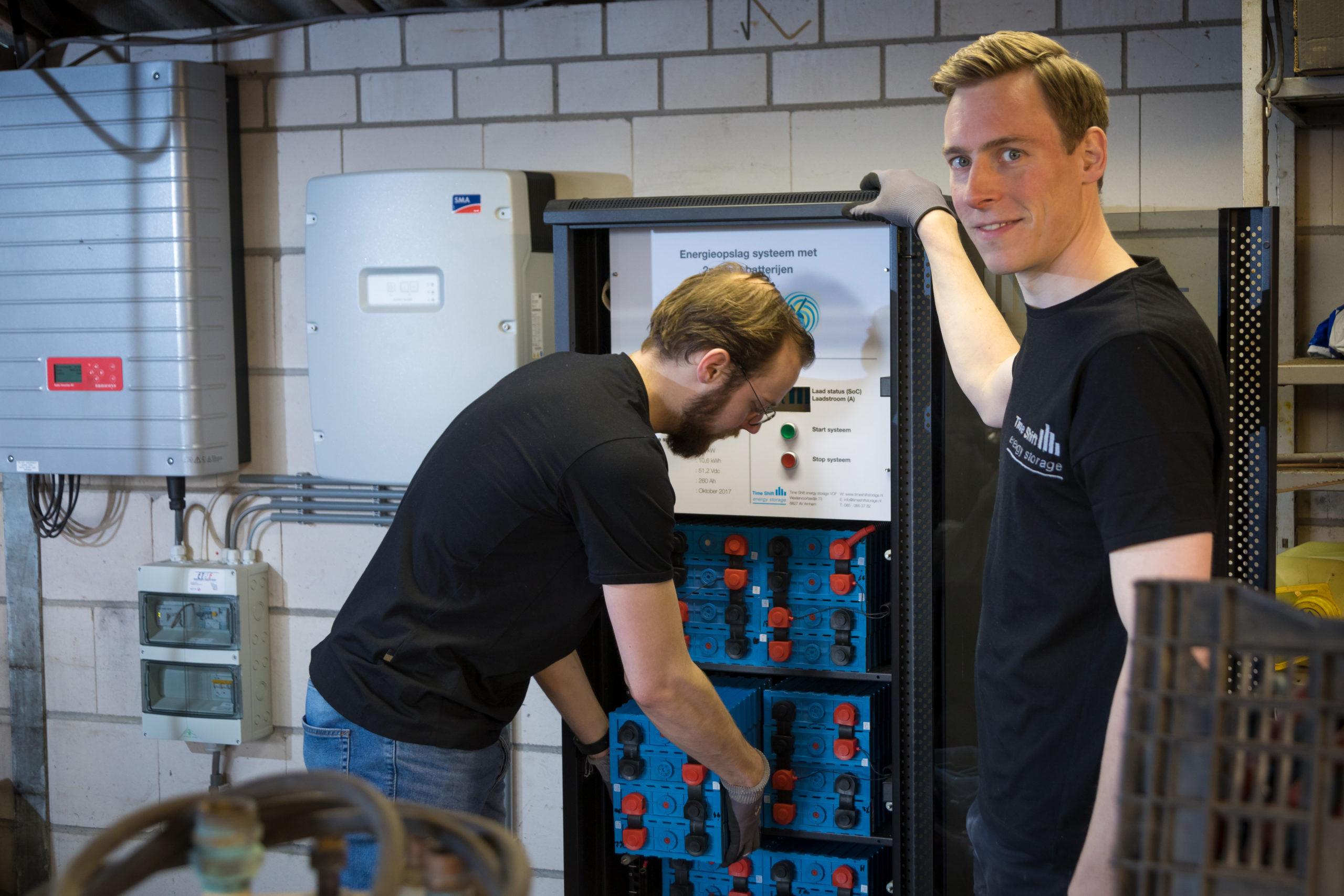
Of the lithium batteries collected via ARN in 2025, 87% were recycled (85% in 2024). The remaining 13% (15% in 2024) was repurposed for use in energy storage. The downward trend in the repurposing of end-of-life batteries continues, with various factors playing a role. New batteries are becoming cheaper, and end-of-life batteries are lasting longer in their original application due to extended service life.
With a weighted average of recycling and repurposing, a useful application rate of 60% has been achieved for end-of-life batteries from electric cars. From next year, this percentage will need to increase to 65% in line with the new targets set out in the Battery Regulation. To achieve these goals, ARN is collaborating with various recycling companies across Europe and promoting innovation programmes in the Netherlands.
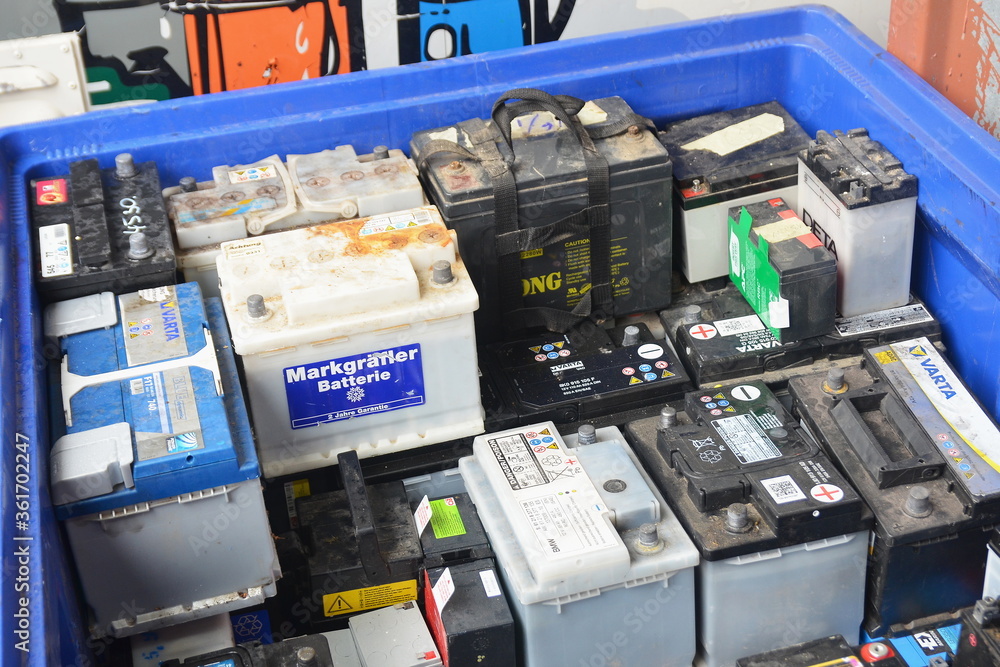
For other starter batteries, such as lead-acid batteries, there is a recycling requirement of 65% of the weight; this was also more than adequately met in 2025.